Some slips only leave “travel” at the margin—neither daikichi nor kyo, just a brief phrase that nods at the feet. I don’t treat it as a timetable. I reopen it as a mirror of whether the body has been pushed too far forward.
The other day I checked tickets the moment I left the shrine. While coin-touch still lingered I packed the next appointment, and the bag grew “just in case.” A thin travel line that day was no mystery. Feet fail under dense plans before they fail under weight.
Don’t treat a soft line as “don’t go”
When kyo or suekichi brushes travel, people leap to cancellation. Leisure fortune slips don’t hold that power. What I usually notice is cramming, sleepless departures, standing lost at a station with the map unopened. The paper tracks today’s hurry more than tomorrow’s accident.
Daikichi tempts another slip-up. Good luck means detours still work, so we add more to the bag. On bright days, taking one unused item out often helps more later.
Only one act that morning
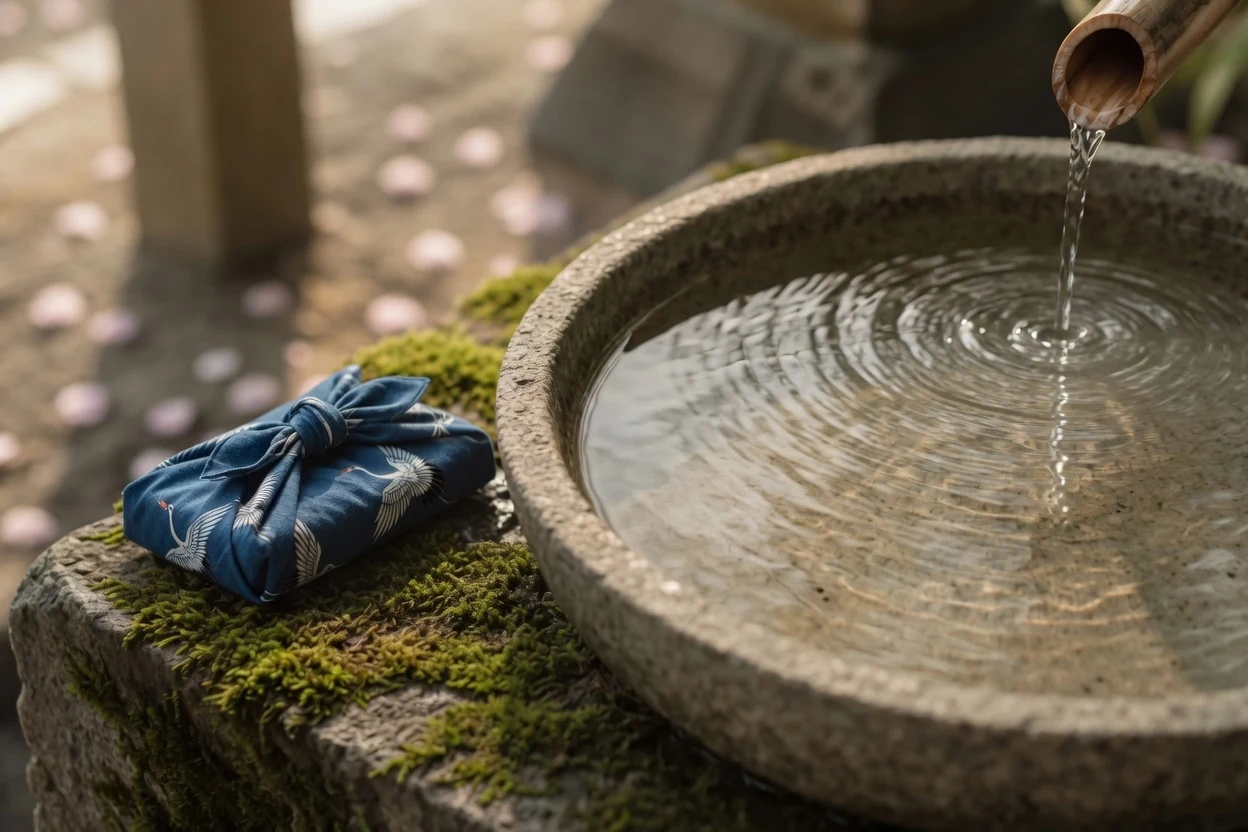
After reading, I skip overhauling the itinerary. I pick one morning act: one charger, one station-bento shop, or ten still minutes on arrival to wash hands like temizuya. Tiny moves—but the travel line makes them stick.
A frequent miss is three vows at once—early rise, thrift, every stamp—then none survive. The slip is not a checklist. One focus makes a better luck memo. Rain? A fold-up umbrella. Many transfers? Only the next track number. The theme can change daily.
On days you cannot go far, walking home one extra stop still returns some of the travel line. It is not a safety inspection. If the body is off, rest comes before paper. Rechecking your pace once is the right distance.